Protecting your personal information & files safe is key. You probably have sensitive info on your devices, like bank records and private messages. Information protection is a big shield against unauthorized users who aim to steal your identity. That is where data encryption comes in. Encryption is a powerful technology that transforms your information into a secure code, making it unreadable to anyone who does not have the key.
Data encryption works why it is essential for safeguarding your privacy & practical ways you can use it to keep your sensitive information safe online. Whether you are a casual internet user or a tech-savvy professional, understanding encryption is the first step toward taking control of your digital privacy.

Data Encryption is the best way to lock your files, so only you can access them. using these data privacy measures, your secrets stay safe even if a device is lost. Knowing the importance of data encryption lets you manage your digital life better.
This guide will show you how to strengthen your data protection habits. We will cover easy steps to enhance your data privacy right now. Learning these basics is the first step to a safer, more private online presence.
Understanding the Fundamentals of Data Encryption
To keep your digital life private, you need to know about data encryption. It turns readable info into a code that only you can read. This way, your files stay safe even if they get lost.
How to Keep Your Personal Information Private
Data protection is the art of coding messages to keep them safe. It’s key to keeping your online activities private. With modern techniques, your emails and payments are secure.
Without data protection techniques, the internet would be unsafe. It turns your messages into secret codes. This keeps your info safe from unauthorized users.

The Difference Between Symmetric and Asymmetric Encryption
There are two main types of encryption methods: symmetric and asymmetric. Each has its own strengths and weaknesses.
Knowing about these encryption techniques helps you pick the best for your needs.
Here’s how they compare.
- Symmetric Encryption: Uses one key for both locking and unlocking, making it fast for big files.
- Asymmetric Encryption: Uses two keys, one public and one private, for better security when sharing data.
- Efficiency: Symmetric data encryption is good for storing files locally. Asymmetric is better for online security.
- Key Management: Asymmetric encryption technology makes sharing keys online safe.
Learning about these encryption methods helps you protect your info. Whether it’s a hard drive or a private message, the right data encryption is key to digital privacy.
How Data Encryption Works to Secure Your Information
Ever wondered how your files turn into unreadable code fast? Data Encryption scrambles information so only those with the right key can read it. It uses encryption techniques to keep your digital life private.

Transforming Plaintext into Ciphertext
It starts with plaintext, the data you see on your screen. This data is then turned into ciphertext, a jumbled mess of characters. This makes it hard for unauthorized user to read your data.
To make it readable again, you need the right decryption techniques and key. Without it, the data stays scrambled and useless.
The Role of Algorithms in Data Security
Today’s data security depends on complex math formulas called encryption algorithms. These formulas are the heart of security, making sure your data is safe.
Strong data security protocols use these algorithms to protect your data. Choosing a secure service means you’re counting on these math formulas.
Here’s why they’re important.
- They keep your data safe from unauthorized access.
- They check if your data is intact during transfer.
- They stop unauthorized user from tampering with your data.
- They meet global privacy rules.
Common Encryption Standards Like AES
AES encryption is the top choice for security. It’s fast and very secure. Governments and banks use it to protect sensitive info.
AES works by breaking data into blocks, making it efficient. It’s the base for most digital communication today. Using AES means your info is highly secure against Online risks.
Step-by-Step Guide to Implementing Full-Disk Encryption
Protecting your device from theft is more than just a password. Full-disk encryption keeps your information protection safe, even if someone takes your device. It scrambles all data, making it unreadable without your decryption key.

Preparing Your System for Encryption
First, make sure your system is ready for encryption. Back up all your files to an external drive or cloud service. This prevents data loss. Also, update your operating system to avoid setup issues.
Keep your device plugged in during encryption. A dead battery can damage your data. These steps are key to modern data protection techniques.
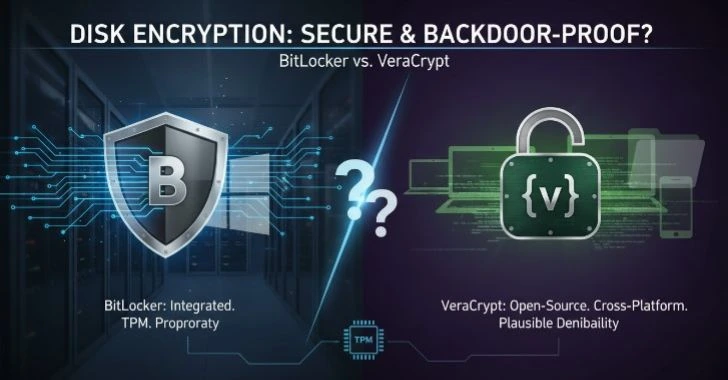
Enabling BitLocker for Windows Users
Windows users can use BitLocker for secure data storage.
Here how to turn it on.
- Open the Control Panel and go to System and Security.
- Click on BitLocker Drive Encryption and choose “Turn on BitLocker.”
- Use a strong password or a smart card to unlock your drive.
- Save your recovery key safely, like in a Microsoft account or a printed copy.
Setting Up FileVault on macOS
Apple makes it easy to protect your data with FileVault. It encrypts your startup disk to keep your info private.
- Open System Settings or System Preferences on your Mac.
- Go to Privacy & Security, then find the FileVault section.
- Click “Turn On” and create a recovery key.
- Decide whether to store your recovery key with Apple or keep it offline.
Verifying Your Encryption Status
After encryption, check if it’s working. Look in your system settings to see if your drive is encrypted. Checking this regularly is a good information protection habit.
If your system says encryption is active, you’re good to go. This simple check gives you peace of mind, knowing your files are safe with data protection techniques.
Securing Your Online Communications with End-to-End Encryption
End-to-end encryption is key to keeping your digital life private. It makes sure only the sender and receiver can see the message. Using these shows how important data encryption is every day.

Why End-to-End Encryption Matters for Privacy
Most messaging apps store your data on their servers, which is risky. With encrypted communication, your data is scrambled before it’s sent. This way, even if a service is compromised, your messages stay secret.
The main benefits.
- Full protection against unwanted snooping.
- It checks if the person you are talking to is who they say they are.
- It stops service providers from keeping your data.
- It keeps your personal or work talks safe.
Configuring Encrypted Messaging Apps
Picking the right app is the first step to secure data transmission. Many apps have encryption, but you must turn it on. Checking your settings gives you peace of mind every time you chat.
Setting Up Signal for Secure Conversations
Signal is known for its focus on security and open-source tech. First, download it from a trusted store and sign up with your phone number. Then, check your contacts to make sure you’re talking to the right person.
Here’s how to stay safe.
- Turn on disappearing messages to limit chat time.
- Use “Safety Number” to check your contact encryption.
- Lock the app with a fingerprint or password for more security.
- Turn off cloud backups if you want to keep chats only on your device.
Using Encrypted Email Services
Email is a big part of our lives, but it’s not always safe. Switching to a secure provider encrypts your emails at the server level. This keeps your messages and documents safe from start to finish.
Using these services helps you control your online presence. Regularly using encrypted communication tools is key for anyone who cares about data privacy. Starting these habits now will greatly improve your secure data transfer skills.
Best Practices for Encryption Key Management
Mastering encryption key management is key to protecting your digital assets. Even the most advanced decryption techniques won’t help if your master key is easily guessed or stolen. By following data security best practices, you keep your sensitive information safe from unauthorized access.

The Importance of Strong Passphrases
Your passphrase is the first line of defense for your encrypted data. A weak password can be guessed in seconds by attackers using automated tools. Create a long, complex passphrase with random words, numbers, and special characters to increase its strength.
Don’t use personal info like birthdays or pet names, as they’re easy to find. Complexity is your best defense against brute-force attacks. A strong passphrase is the cornerstone of effective data security best practices.
Storing Keys Safely with Password Managers
Managing many keys manually can lead to poor security habits, like writing them down. Instead, use a reputable password manager to store your keys in an encrypted vault. These tools offer a secure, centralized spot for all your credentials.
Most modern password managers have multi-factor authentication to add extra protection. By using these apps, you lower the risk of losing your keys while keeping them only accessible to you. This method makes encryption key management easier without compromising your safety.
Recovering Access Without Compromising Security
Losing access to your encryption keys can mean permanent data loss. You need a recovery plan that balances ease of access with high security. Consider using a recovery key or a printed backup stored in a physical safe.
Never store your recovery info in an unencrypted digital file or an email draft. Planning ahead ensures you can get back into your files if you forget your primary passphrase. This balance is critical for anyone serious about digital privacy.
Choosing the Right Encryption Software and Tools
Choosing the right encryption software is key to protecting your digital life. The market has many cybersecurity solutions for all skill levels. The best encryption tools depend on your privacy needs and daily digital habits.
Evaluating Open-Source Versus Proprietary Solutions
When looking at encryption technology, you face a choice between open-source and proprietary. Open-source software is checked by many, making it more trustworthy. It’s often updated by a global community to fight new risks.
On the other hand, proprietary software is made by private companies. They keep their code secret. While it might be easier to use, you have to trust the company’s security claims. Knowing about these encryption methods helps you choose wisely.

Essential Tools for Personal Data Protection
For strong protection, look for software that uses standard protocols. Good encryption tools work well with your system without slowing it down. They should also work well with your hardware and software for a long time.
Using VeraCrypt for Encrypted Containers
VeraCrypt is a top choice for keeping files safe. It lets you make virtual encrypted disks in files, called containers. With AES encryption, VeraCrypt keeps your data safe, even if your drive is stolen.
Mounting these containers lets you access your files easily. Then, you can dismount them when you’re done. This highly secure method is great for keeping important documents, photos, or financial info safe. Using such advanced encryption software gives you peace of mind about your personal info.
Protecting Data in Transit and at Rest
Data security is about keeping information safe when it’s moving or sitting idle. Files on a hard drive are at rest, while data online is in transit. Using data protection techniques for both ensures your data stays private.

Securing Data During Cloud Storage Transfers
When you move files to the cloud, you need to protect them. Make sure your cloud provider uses end-to-end encryption for secure data transfer. This scrambles your files before they leave your device, keeping them safe.
Also, check if your encryption software uses strong protocols like AES-256. These cybersecurity solutions keep your data safe, even if a server is compromised. Never share sensitive files with a cloud service that doesn’t clearly state its security measures.
Implementing VPNs for Encrypted Network Traffic
A Virtual Private Network (VPN) is key for encrypted communication on public networks. It creates a secure tunnel for your internet traffic, hiding your online activity from others. This is a must for anyone working remotely.
Choose a VPN that doesn’t log your activities. This ensures your browsing history stays private. A VPN masks your IP address and encrypts your data, adding a strong layer of data security solutions.
Ensuring Database Security for Personal Files
Protecting your local files is critical to prevent unauthorized access. Use encrypted containers or password-protected archives for your personal files. This way, even if someone gets physical access to your device, your data is safe.
Keep your security software up to date to fix any vulnerabilities. Combining local encryption with cloud backups creates a solid plan for your digital assets. Staying consistent with these practices will safeguard your information against new risks.
Advanced Data Security Protocols and Algorithms
As technology gets better, so does the way we protect your private info. It’s key to know about data security protocols to stay safe online.
Understanding Modern Encryption Techniques
Modern encryption techniques use hard math problems that old computers can’t solve. These advanced encryption standards keep your data privacy safe from unauthorized. With strong encryption algorithms, your files are protected from common decryption techniques.

Good encryption key management is vital. Make sure your keys are safe and change them often. Keeping your software up to date is also important to stay ahead of risks.
The Future of Encryption in a Quantum Computing World
Quantum computers are a big worry for our current encryption methods. They can process data so fast, they might break our security soon. Scientists are working on quantum-resistant algorithms to keep your data privacy safe.
Switching to these new algorithms is a smart move for your digital safety. using encryption techniques for the quantum age, your data privacy will stay protected as computers get more powerful. Getting ready for this change now helps keep your digital world safe.
Maintaining Compliance with Data Privacy Measures
Rules for data privacy are getting stricter for everyone. Following these rules means using Data protection that meets legal standards. This keeps you out of trouble and builds trust with others who share their data with you.
- Regularly check your security setup.
- Keep your software up to date.
- Document how you manage encryption keys.
- Watch for changes in privacy laws.
focusing on these steps, you build a strong defense against risks. Keeping your security high is not just about tech; it’s about being a responsible digital citizen.
Conclusion
Data encryption is key to keeping your personal and work life safe. You now know how to use different encryption methods to protect your data. This is important from start to finish.
Using data security tips every day keeps your privacy safe from Online risks. Adding good encryption software and tools makes your digital stuff safer.
Keeping your data safe while sending it online is very important. this way your private info stays hidden from others. In today’s world, keeping your data privacy safe is like keeping your most valuable treasure.
Keep looking into new ways to protect your data and stay ahead of risks. Using strong data security helps make the internet safer for you every day.
As technology gets better, like with quantum computing, keeping your data privacy safe becomes even more important. Make sure to update how you protect your data often. Your efforts to keep your data safe are what make your digital world secure.